← Kahani
सही ज़ेवर, सही लिबास
How to Style Jumkas with Every Indian Outfit
◆◆
19 February 2026◆7 min read
सही ज़ेवर, सही लिबास
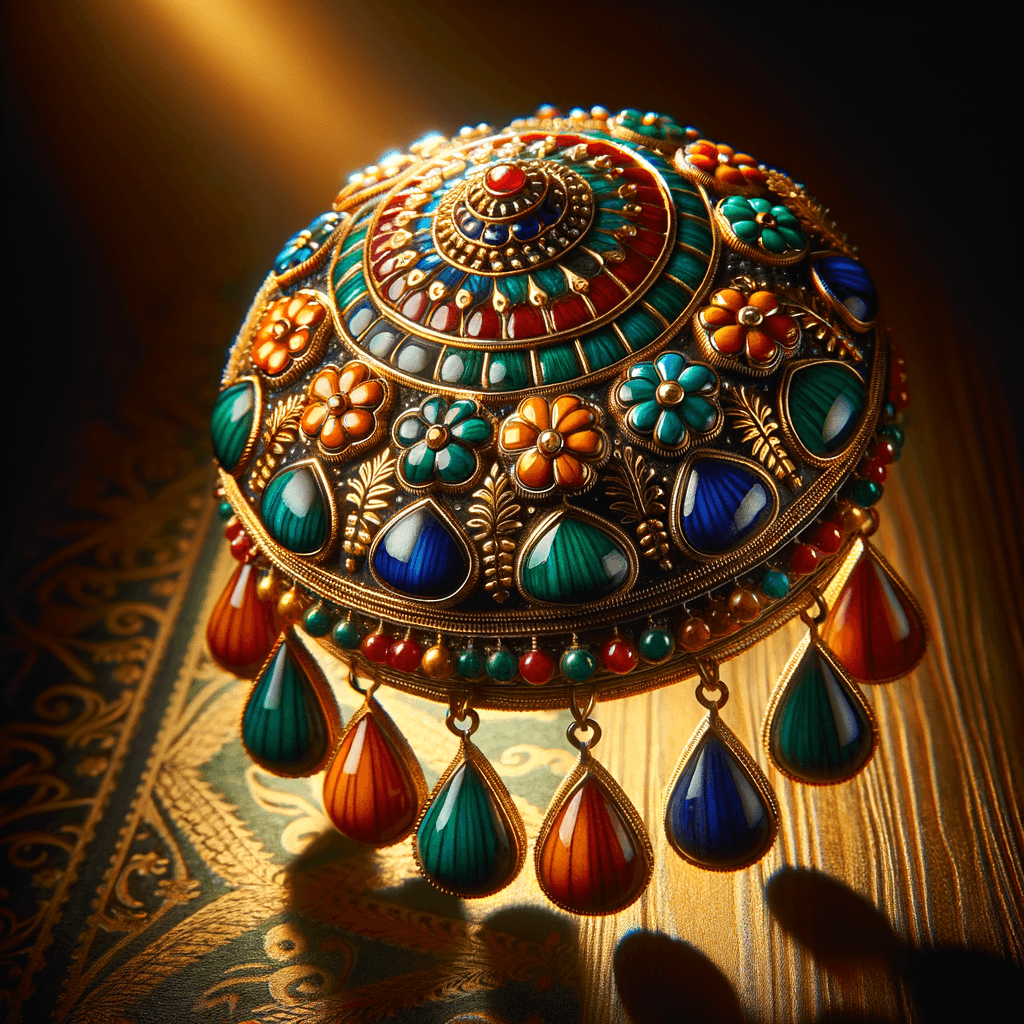
The jumka is one of the most versatile pieces of jewellery ever made. It has been worn in temples and marketplaces, at weddings and in offices, with silk and with cotton. The question is not whether it works — it does. The question is which jumka, and why.
The saree and the jumka share the same grammar: both are defined by movement. A silk saree calls for something with weight — the Rani or Laila collection, gold or kundan that holds its own against heavy fabric. A cotton saree, especially a handloom, asks for something quieter — the Chandni collection's silver filigree, which has the same handmade quality as the weave itself.
For a Banarasi or Kanjeevaram worn at a wedding, go heavy. For a daily wear Mysore silk, go light. Match the weight of the earring to the weight of the fabric.
The lehenga is already doing a lot. Heavy embroidery, layered fabric, often a contrasting dupatta. The jumka should not compete — it should complete.
For a bridal or sangeet lehenga: the Laila collection. Kundan and stone that match the opulence of the occasion without fighting it. For a festive or party lehenga in solid or light embroidery: the Bahar collection's colour against the fabric creates the contrast that makes both look better.
The salwar kameez is the everyday Indian outfit — versatile, comfortable, the canvas on which most daily life is painted. For formal occasions (an office presentation, a family function in a churidar), the Rani collection adds gravity without being bridal. For daily wear, the Chandni collection: the silver reads as professional while still being distinctly Indian.
This is where the jumka surprises people. A plain white shirt and blue jeans with a Bahar jumka: the colour becomes the entire outfit. A black blazer with a Rani jumka: formal, powerful, entirely unlike anything a Western jeweller would make.
The rule for Western pairings: the outfit should be simple so the jumka can speak. The jumka is the sentence. The Western outfit is the white page it is written on.
If there is a single rule for styling the jumka: do not over-match. The earring does not need to match the necklace, the bangles, or the outfit exactly. Indian jewellery has always been mixed — different metals, different stones, different periods — worn together in a way that says this is collected, not purchased as a set.
Wear it as if you chose it. Because you did.